
When One Partner Pulls Away and the Other Chases: Understanding the Cycle
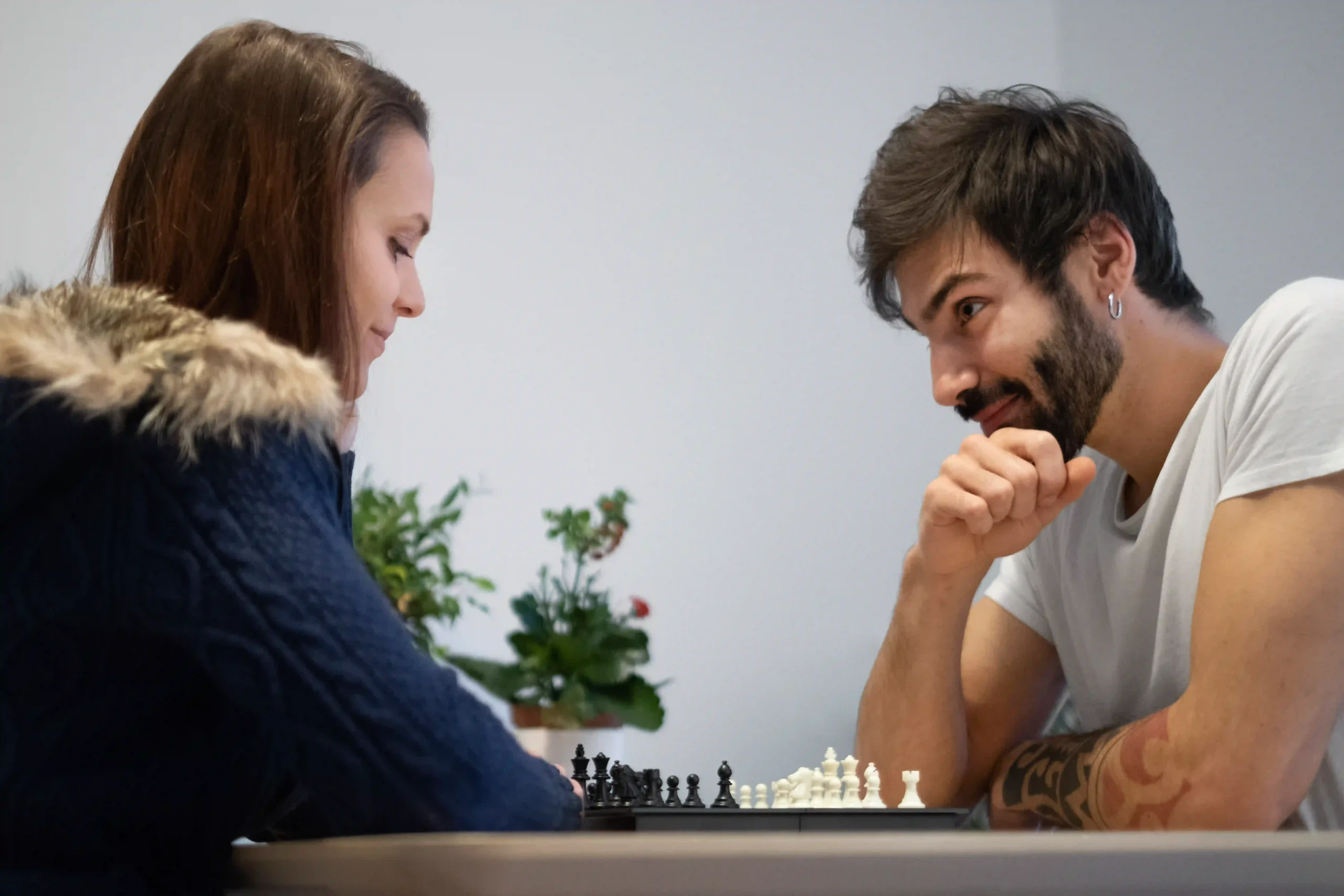
You bring up something that’s been bothering you. Your partner goes quiet, checks their phone, or says, “Can we talk about this later?” So you ask again, a little louder. They retreat further. Now you’re frustrated, and they’re overwhelmed.
If that sounds familiar, you’re caught in one of the most common patterns in couples counseling: the pursuer-distancer cycle. It doesn’t mean your relationship is broken or that one of you is the problem. It means the two of you have fallen into a pattern that feeds itself. Once you can see it, you can change it.
What is the pursuer-distancer dynamic?
In this pattern, one partner moves toward the other when they feel disconnected. They ask questions, want to talk things through, and seek reassurance. The other partner moves away when things feel tense. They need space, go quiet, and focus on work or other tasks.
Researchers who study couples call it the demand-withdraw or pursue-withdraw pattern. In Imago relationship therapy, we describe it as two people protecting themselves in opposite ways. Neither is trying to hurt the other. Both are trying to feel safe. You may also hear it called an anxious-avoidant relationship pattern. The labels differ, but the loop is the same.
The pursuer often thinks: If I can just get them to talk, we’ll be okay. Distance feels like danger.
The distancer often thinks: If I can just get some quiet, this will settle down. Intensity feels like danger.
Why does my partner pull away or shut down when I try to connect?
When someone shuts down, it rarely means they don’t care. More often, they feel flooded. Conflict can trigger an overwhelmed, “I’m going to say the wrong thing” response, so pulling back feels like the only safe option. They may also have learned early in life that emotions are risky, or that needing things from others leads to disappointment.
Emotional withdrawal in marriage and long-term relationships is usually about self-protection, not a lack of love. The problem is that the pursuer doesn’t experience the distance as self-protection. They experience it as rejection. This is where the cycle tightens.
Why do I keep chasing someone who keeps pulling away?
If you’re the pursuer, you may have been told you’re “too much,” “too needy,” or “too emotional.” That hurts, and it misses the point. Reaching for connection is healthy. What makes it feel desperate is the fear underneath: If I stop reaching, will anyone reach for me?
For many pursuers, being ignored or left alone with a problem echoes something much older than the current relationship. It’s why a small moment, like an unanswered text or a skipped conversation, can feel enormous.
How the cycle feeds itself
The pursue-withdraw cycle runs in a loop:
- Disconnection. One or both partners feel distance.
- Pursuit. The pursuer moves in with questions, criticism, or emotion.
- Withdrawal. The distancer feels pressured and pulls back.
- Escalation. The pursuer feels abandoned and pushes harder.
- Shutdown. The distancer feels attacked and retreats further.
Each partner sees only their own side. The pursuer says, “I only chase because you avoid me.” The distancer says, “I only avoid you because you come at me.” Both are right, and that is why the loop is so hard to escape.
Signs you’re in the pursue-withdraw cycle
- You feel like you’re always chasing your partner, and it never feels like enough.
- You’re usually the one starting hard conversations.
- Your partner says they need space often, and you feel more anxious when they do.
- Arguments end with silence, not resolution.
- One of you feels smothered while the other feels alone.
- You’ve had the same disagreement many times, and it always ends the same way.
If you also feel emotional distance even when things are calm, our article on why couples grow distant and how connection can return may help. If the same argument keeps repeating, see why couples keep having the same fight.
The Imago view: your partner is not your enemy
Imago relationship therapy starts from a different question. Instead of asking who is right, it asks what each partner is protecting and what each one needs.
The pursuer’s intensity often protects against loneliness. The distancer’s withdrawal often protects against feeling criticized or overwhelmed. Under the pattern, both partners want the same thing: to feel safe, seen, and close.
Imago also holds that we tend to choose partners who touch our oldest emotional wounds. That is not a flaw in your relationship. It is why the relationship holds so much potential for healing. To go deeper, read why your partner triggers you.
How to break the pursue-withdraw cycle
Change doesn’t require a perfect conversation. It starts with small shifts from each partner.
If you tend to pursue:
- Name what you’re feeling before you make a demand: “I’m feeling disconnected and I miss you,” instead of “You never talk to me.”
- Ask for a specific time to talk instead of trying to resolve everything in the heat of the moment.
- Notice how you feel in your body when you start to chase. That’s your cue to pause.
If you tend to withdraw:
- Say that you’re stepping away and when you’ll come back: “I need twenty minutes, and then I want to hear you.”
- Stay in the room a little longer than feels comfortable, even if all you can say is “I’m listening.”
- Remember that your silence often lands harder than you intend.
For both of you: Slow the conversation down. The Imago Dialogue gives couples a simple structure for healthier couples communication: mirroring, validation, and empathy. One partner speaks, the other reflects back what they heard, and both stay connected while they talk. Pursuers feel heard. Distancers get a conversation with a clear shape and an end, so it feels less overwhelming, and both partners can reconnect instead of retreat.
When it helps to bring in a professional
If you’ve tried to change the pattern and keep sliding back, or if the distance is growing, couples counseling in Texas can help. A trained therapist can slow the cycle down in real time and help each of you say what’s underneath it, which is hard to do alone.
Imago Texas connects couples across the state with certified Imago relationship therapists, including in Dallas, Houston, Austin, and San Antonio. If you’re not sure counseling is right, start with signs you need couples counseling. If your partner is reluctant, read what to do when your partner won’t go to couples therapy.
Many couples also start with a couples workshop or relationship intensive, which can be a good way to learn the tools together.
Frequently Asked Questions
Is the pursuer-distancer dynamic normal?
+Yes. It’s one of the most common patterns in couples, and many partners switch roles depending on the topic or stress level.
Can a relationship recover from the pursue-withdraw cycle?
+Yes. Couples who learn to recognize the pattern and communicate differently often find it loosens, and connection returns.
Is the distancer the problem?
+No. Neither role is the problem. The cycle is the problem, and both partners are part of it.
Does Imago Texas provide therapy?
+Imago Texas is a regional hub that helps couples find qualified, independent Certified Imago Relationship Therapists and relationship workshops across Texas.
Recent Blogs

When Talking Doesn’t Work: A Different Way to Communicate

Couples Communication Therapy: How Is Imago Different?

Is a Relationship Intensive Right for You?

Why Couples Grow Distant and How Connection Can Return
You May Also Like…